
Emergency & Rescue
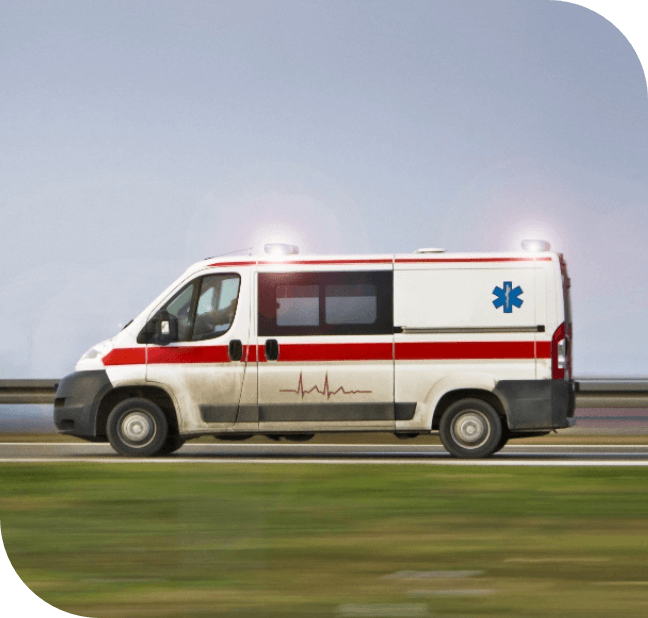
Satellite-Powered Emergency Management Solution
Satellite-Powered Emergency Management Solution
Effective emergency management solution hinges on clear and uninterrupted communication. Traditional terrestrial networks, however, often crumble under the pressure of a surge in calls, texts, and data traffic during disasters. This network overload disrupts communication between first responders, hampers rescue efforts, and delays critical information dissemination. Fortunately, innovative technology and emergency management solutions like hiSky’s satellite communication network offer a reliable and resilient alternative.
Overcoming Challenges with Emergency Management Solution
Network overload during emergencies presents a critical issue for several reasons:
- Disrupted Communication: Essential communication between first responders, like paramedics, firefighters, and police, gets interrupted, hindering coordinated rescue efforts.
- Delayed Information Sharing: Citizens struggle to receive life-saving updates and instructions due to network congestion.
- Uncoordinated Response: The inability to share real-time information hampers effective response strategies and resource allocation.
These challenges highlight the crucial need for robust communication infrastructure in emergency management solution. Viable emergency communications are essential to saving lives.
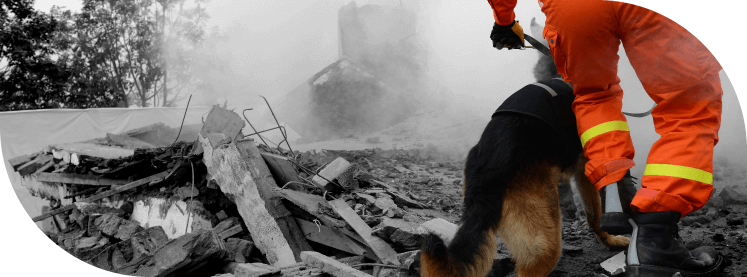
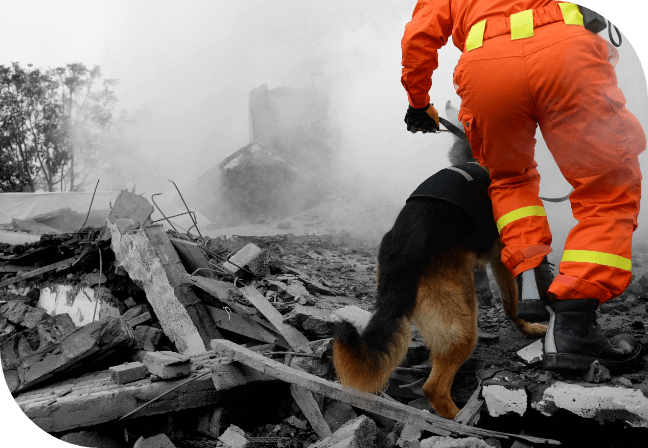
Utilizing a Robust Emergency Communication System with hiSky to Save Lives
hiSky’s innovative approach addresses these challenges by offering a hybrid cellular-satellite solution that leverages the strengths of both terrestrial and satellite networks:
- Satellite Communication: Utilizing reliable GEO and LEO satellite constellations to ensure communication continuity even during terrestrial network outages.
- VoIP and Video Calls: This technology enables voice (VoIP) and video services, allowing for cost-effective and clear communication.
- Portable Satellite Internet: Provides first responders with portable satellite internet access, enabling real-time data exchange and access to critical information in remote areas.
- Resilient Equipment: hiSky provides IP 68-rated user terminals, small and lightweight. hiSky’s SmartelliteTM terminals are built to withstand harsh outdoor environments and extreme weather conditions often encountered in emergencies.
- Mass Network: hiSky’s in-house developed technology excels at managing vast networks of interconnected devices. These devices communicate seamlessly, ensuring efficient information flow.
- SLA-based Private Network: hiSky provides its customers with a dedicated communication channel, guaranteeing service level agreements as a routine.
How is hiSky’s network different from the competition:
hiSky provides a customized private network designed to meet your specific needs. This eliminates concerns about service outages caused by regional network congestion. In addition, hiSky’s SmartelliteTM boasts remarkable versatility. It seamlessly transitions from rooftop car installation to being comfortably carried in a manpack. Our cutting-edge technology allows for uninterrupted satellite communication while the user are on the move.
Moreover, hiSky’s Satellite network, based on GEO satellite operators, offers several advantages for emergency management solution:
- Wide Coverage: Satellite networks provide extensive geographical coverage, reaching remote areas inaccessible by terrestrial networks.
- Redundancy: hiSky’s network is agnostic to satellite providers ,allowing each end-user terminal the flexibility to integrate with multiple satellite constellations. Ensuring a profound level of network redundancy.
- Resilience: Satellite communication remains operational even during terrestrial network outages, ensuring uninterrupted connectivity for critical emergency warning systems and emergency forces.
- Scalability: Satellite networks can readily scale to accommodate a surge in emergency communication needs.
This innovative combination ensures clear and uninterrupted communication, empowering first responders to react effectively in emergencies.

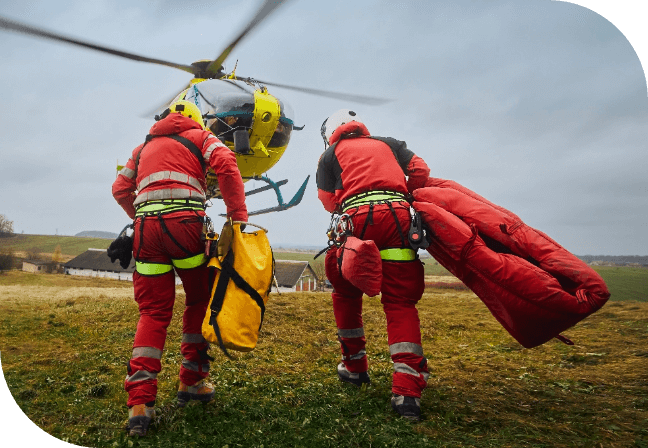
Growth Drivers in Technology and Emergency Management
The emergency response sector is witnessing a surge in technology adoption driven by:
- Increased Natural Disasters: The growing frequency and intensity of natural disasters like wildfires and hurricanes necessitate robust communication infrastructure.
- Global Terrorism Threats: The ever-present threat of terrorism demands modernized security and law enforcement communication systems.
- Government Initiatives: Governments actively invest in disaster preparedness and crisis management, including modernizing response systems with resilient communication solutions.
IoT Integration in Emergency Management Solution: Satellite communication plays a critical role in emergency management solution by enabling:
- Asset Tracking: Tracking the location and status of emergency vehicles and equipment ensures optimal resource allocation during emergency management operations.
- Environmental Monitoring: Real-time data collection on wildfires, floods, and other environmental threats enhances preparedness and response strategies.
- Sensor Data Transmission: Data from wearables and other emergency communication devices worn by first responders can provide vital insights into their health and safety during operations.
By harnessing the power of satellite communication and the Internet of Things (IoT), hiSky empowers emergency response agencies to operate more effectively and efficiently.
Want to learn more? Contact us
Q&A
1. What is the evolving role of technology in enhancing emergency preparedness?
Technology has dramatically transformed emergency management. By providing real-time data, improving communication, and enabling advanced analytics, it has become an indispensable tool. Artificial intelligence predicts potential disasters, drones deliver vital supplies, and the Internet of Things monitors critical infrastructure and environmental conditions.
2. Which regions of the world are considered to be most vulnerable to climate change impacts?
Several regions are particularly susceptible to the devastating effects of climate change. Small island nations like the Maldives and Kiribati face imminent threats from rising sea levels. Sub-Saharan Africa is grappling with droughts, floods, and extreme heat, leading to widespread food insecurity and displacement. Coastal megacities, including Mumbai, Jakarta, and Shanghai, are at high risk of catastrophic consequences due to sea-level rise, storm surges, and flooding.

Thank you!
Your application has been registered @hiSky.
Here is the link to download the brochure.
