
Railways

Revolutionizing Communication in Railways with Satellite IoT
The railway industry is a complex network essential for global and local logistics. Efficient operations are crucial for the seamless movement of goods and materials. Historically, coverage gaps, operational inefficiencies, and asset management have hindered the industry’s full potential. Effective train communication, including signalling and communication in railways, has been a cornerstone for addressing these challenges. Still, traditional communication solutions often fall short of meeting the demands of modern operations..
IoT: A Game-Changer for Train Communication
IoT technology is transforming the railway sector. The industry is demonstrating a significant leap forward by utilizing IoT sensors, including strain gauge sensors designed to assess stress on bridges, tunnels, and other infrastructure components, and vibration sensors detecting anomalies in track conditions (such as cracks, wear, or foreign objects). Real-time tracking and monitoring of carriages and junctions without limitations and improved operational efficiency are just some of the available options. By connecting various railway components, IoT provides valuable insights for optimizing operations, reducing costs, and enhancing safety.

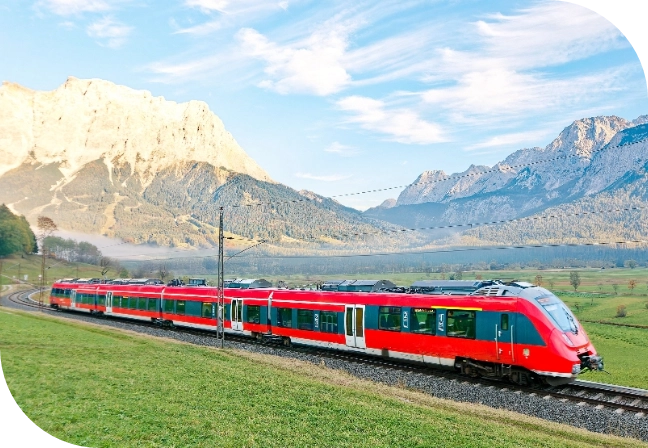
hiSky’s Satellite Network: Bridging the Connectivity Gap
Satellite communication provides a reliable solution for the railway industry, ensuring uninterrupted service even in remote areas. In the satellite landscape, hiSky distinguishes itself by offering a hybrid satellite-cellular solution that enhances network resilience through automatic switching between networks based on signal strength. This is particularly crucial for the reliability demanded by railway operations.
When situated in rural areas, satellite technology brings numerous advantages to the railway sector:
- Improved operational efficiency: Real-time data on train location, speed, and cargo status optimize schedules and resource allocation.
- Fuel efficiency: Optimize train speeds and routes to reduce fuel consumption.
- Enhanced safety: Real-time monitoring of track conditions, equipment health, and train performance reduces the risk of accidents.
- Emergency response: Rapidly respond to incidents through real-time information and communication.
- Infrastructure monitoring: Monitor the condition of tracks, bridges, and tunnels for timely maintenance.
- Predictive maintenance: Potential failures can be identified and addressed proactively by analyzing equipment data and minimizing downtime.
- Remote asset management: Monitor and control remote railway assets, such as signals and tracks, ensuring optimal performance.
- Inventory management: Track cargo and equipment inventory for better utilization and cost savings.
By providing comprehensive visibility into railway operations, hiSky empowers operators to make informed decisions and enhance overall efficiency.
Effective train communication, including CBTC communication-based train control, train communication, data communication, signaling and communication in railways, and advanced communication solutions, is vital for safe and efficient operations. hiSky’s Satellite IoT provides a robust foundation for these systems, enabling seamless communication between trains and control centers. Train communication is critical to modern railway operations, and hiSky’s Smartellite solution can significantly enhance reliability and efficiency.
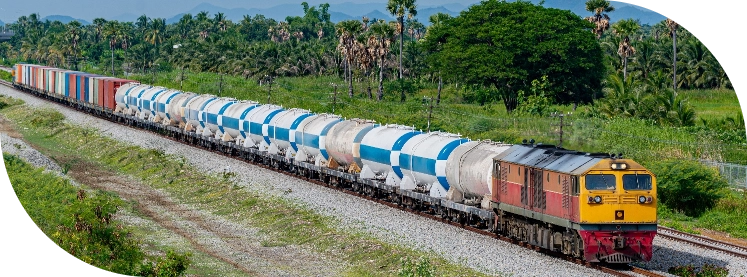
hiSky’s Solution: Tailored for Railways
Our rugged terminals are built to withstand harsh outdoor conditions, making them ideal for railway environments. These compact devices can be easily installed on trains, junctions, or other critical infrastructure.
Moreover, hiSky’s network is compatible with existing systems, such as SCADA, ensuring a smooth integration process. This flexibility allows railway operators to leverage their existing infrastructure while benefiting from the advanced capabilities of hiSky.
Cost-Effective Solution, Significant Impact
hiSky’s proprietary modem employs an innovative time-division multiple access TDMA approach, orchestrating a synchronized ballet of data transmission. By assigning precise time slots to each device, hiSky ensures seamless data flow without the risk of collisions. This is akin to a conductor managing a symphony, where each instrument plays its part harmoniously. This shared channel strategy optimizes network capacity and cost efficiency, delivering exceptional performance while minimizing resource consumption.
Communication in Railways: Powered by Satellite IoT
The railway industry is on the cusp of a digital transformation. With its reliable connectivity and valuable data, satellites are vital to this change. By embracing this technology, railway operators can unlock new opportunities for growth, efficiency, and sustainability. Improved rail communication, including signaling and communication in railways, facilitated by satellite IoT, is the key to unlocking the full potential of this vital industry. It can revolutionize railway communication, enhancing safety, reliability, and efficiency.
Want to learn more? Contact us
Q&A
1. What is the role of railways in the overall logistics industry?
Railways are a crucial backbone of the global logistics network. They offer a highly efficient and cost-effective mode of transportation for bulk commodities and long-haul freight. With an average cost per ton-kilometer significantly lower than road transport, railways handle approximately 30% of global freight volume.
2. How do railways contribute to logistics sustainability?
Railways are more environmentally friendly than road or air freight. Rail transport produces approximately 75% less greenhouse gas emissions per ton-kilometer than road transport. Additionally, railways have a higher cargo-carrying capacity, reducing the number of vehicles on the road and congestion
3. What is the future outlook for railways in the logistics industry?
Railways' future in logistics is promising, driven by increasing demand for sustainable and efficient transportation solutions. With technological advancements, enabled by the communication in railways, such as automation and digitalization, railways are poised to play an even more significant role in global supply chains. The international rail freight market is estimated to grow at a compound annual growth rate of around 4-5% in the coming years.
4. What is the most common needs in train communication?
Railways depend on strong and effective communication systems for safe, reliable, and efficient operations. Essential communication needs include train-to-ground communication for signaling, speed control, and emergency braking. Additionally, real-time tracking of train location, cargo information, and maintenance data is crucial for optimal railway performance.

Thank you!
Your application has been registered @hiSky.
Here is the link to download the brochure.
